

Landlord Repair Responsibility Guide for Florida

A tenant texts at 9 p.m. because water is coming through the ceiling. Another reports an outlet that sparks when a lamp is plugged in. These are not repairs to place on next week’s list. This landlord repair responsibility guide helps Florida rental owners separate urgent safety issues from routine upkeep, respond with confidence, and protect both the property and the people living in it.
For landlords, fast action is not just good customer service. It prevents small problems from turning into damaged finishes, larger repair bills, unhappy tenants, and avoidable disputes. The goal is simple: keep the home safe, functional, and in the condition the lease promises.
What Landlords Are Generally Responsible For
A landlord is generally responsible for maintaining a rental home so it meets applicable building, housing, and health requirements. In practical terms, that means the major systems and structural elements of the property must work as intended. A lease can explain how requests are reported and which minor tasks belong to a tenant, but it cannot erase core habitability obligations.
Typical landlord responsibilities include the roof, exterior walls, doors, windows, floors, stairs, plumbing, electrical systems, and supplied appliances or fixtures. Reliable running water, working drainage, safe electrical service, secure entry points, and functioning fixtures are basic expectations in a residential rental.
In Florida, the exact requirement can depend on the property type, the lease, local codes, and the condition that existed when the tenant moved in. A single-family rental may be handled differently from a larger multifamily property in some areas. That is why a well-written lease and good records matter. For a legal interpretation of a specific dispute, speak with a qualified Florida landlord-tenant attorney.
Repairs That Usually Need Prompt Attention
Some problems can wait for a scheduled visit. Others need immediate action because they affect safety, security, water damage, or a tenant’s ability to use the home normally. Treat these reports as priority calls:
Active leaks, burst pipes, overflowing fixtures, or water entering from the roof
Electrical sparks, burning smells, repeated breaker trips, or exposed wiring
No running water, major drain backups, or a failed water heater
Broken exterior doors, locks, windows, or other security concerns
Structural damage, unsafe stairs, loose railings, or damaged flooring that creates a fall risk
A failed heating or cooling system during conditions that could create a health or safety concern
The right response is not always the same-day permanent repair. A temporary measure may be necessary first, such as shutting off water, securing an opening, or making an unsafe area inaccessible. Then schedule the proper repair as quickly as possible. What matters most is showing that the report was taken seriously and that reasonable action began right away.
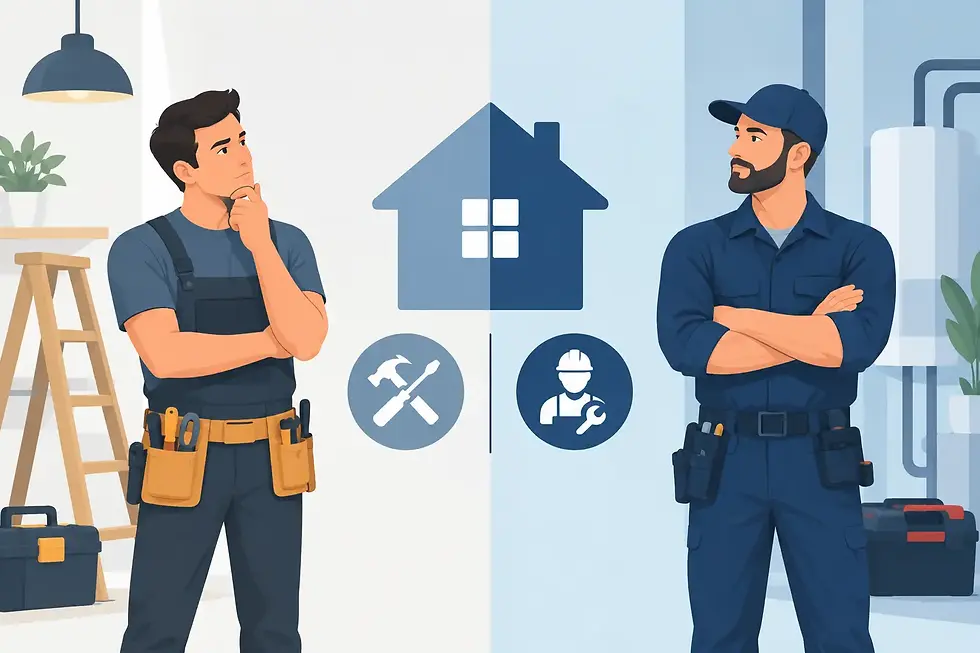
Landlord Repair Responsibility Guide: What Tenants May Handle
Tenants also have responsibilities. They should use the property reasonably, report damage quickly, follow lease rules, and avoid causing preventable problems. If a tenant breaks a door, damages a wall, misuses a fixture, or creates a clog through improper use, the tenant may be responsible for the repair cost when the facts and the lease support it.
The key distinction is normal wear versus tenant-caused damage. Normal wear happens through ordinary living over time. A fading finish, worn weatherstripping, or a fixture reaching the end of its useful life is usually a landlord expense. A hole punched in a door, a broken blind caused by rough handling, or damage from an unauthorized alteration is different.
Do not make the decision based only on the repair bill. Review the move-in condition report, photos, maintenance history, tenant communications, and the age of the item. A fair, documented decision is easier to explain and far less likely to become a dispute.
Put Responsibilities in the Lease Before a Problem Happens
A strong lease should explain how tenants submit repair requests, what counts as an emergency, and which contact method to use after business hours. It should also set expectations for basic tenant care, such as changing readily accessible filters if that duty is assigned, replacing ordinary light bulbs, reporting leaks quickly, and keeping access available for scheduled work.
Be specific about supplied items. If the home includes a refrigerator, dishwasher, ceiling fan, garage-door opener, smoke alarm, or window coverings, identify them in the move-in documentation. Vague descriptions create arguments later about whether an item was provided, working, or the landlord’s responsibility.
Avoid writing lease terms that sound like every repair belongs to the tenant. That approach may conflict with legal obligations and can discourage tenants from reporting serious problems early. A better lease gives tenants clear duties while preserving the owner’s responsibility for the home’s major systems and safe condition.
Build a Repair Process That Holds Up
The most dependable landlords do not rely on memory, text threads, or verbal promises. They use the same process for every request. That makes response times more consistent and gives owners a useful record if questions arise later.
Start by asking the tenant for the basics: what happened, when it began, whether there is active water, smoke, loss of power, a security issue, or any immediate danger. Ask for photos or video when appropriate, but never let a request for pictures delay an emergency response.
Next, document the report. Record the date, time, tenant name, issue, initial response, contractor or handyman assigned, access arrangements, repair completed, and cost. Save before-and-after photos when possible. This record helps with budgeting, insurance questions, security-deposit decisions, future troubleshooting, and property sales.
Finally, close the loop. Let the tenant know when help is scheduled, what work was completed, and whether any follow-up is needed. A short confirmation prevents the common frustration of a tenant assuming a request was forgotten while the owner assumes the issue is resolved.
Choose the Right Pro for the Job
A dependable handyman can be a smart first call for many common rental repairs: damaged trim, loose hardware, door adjustments, drywall patches, fixture replacements, minor carpentry, and general property upkeep. One trusted professional can reduce the time spent coordinating several small jobs.
Some work requires a licensed specialist, permit, or additional inspection. Major electrical work, significant plumbing changes, structural alterations, gas-related work, and major heating or cooling repairs may require a properly licensed contractor. Do not use a quick fix where code, safety, or manufacturer requirements call for specialized work.
For Orlando-area owners, Prowood Handyman, LLC provides insured, professional help for many everyday repair and upkeep needs, with the practical communication property stakeholders need. When the issue calls for a licensed trade, the right move is to identify that early rather than gamble on an incomplete repair.
Preventive Repairs Save More Than Emergency Calls
The best repair request is the one caught before it becomes urgent. Between tenants and during regular property checks, look closely at caulk around tubs and sinks, door operation, window locks, railings, visible signs of moisture, loose fixtures, cabinet hardware, and flooring transitions. These are small items, but they often reveal bigger concerns early.
Seasonal checks are also useful in Central Florida. Heavy rain can expose roof, window, and exterior sealing issues. High humidity can make minor moisture problems spread quickly. Regular inspections give landlords time to schedule work on their terms instead of reacting after a tenant’s belongings or the home itself have been affected.
Preventive work has a trade-off: it costs money before there is an obvious failure. But waiting for failure often means paying for emergency response, secondary damage, and a longer interruption for the tenant. For most rental owners, planned maintenance is the more predictable choice.
When a Repair Becomes a Communication Problem
Many landlord-tenant disagreements start with silence, not the repair itself. A tenant may feel ignored if they do not receive an update. An owner may feel pressured when a minor issue is labeled an emergency. Clear communication keeps both sides grounded in the facts.
Acknowledge every request. Give a realistic timeline rather than a promise you cannot keep. If a part must be ordered or weather delays exterior work, say so and provide the next update date. If the tenant caused the damage and may be charged, explain that the issue is under review before assigning a cost.
Keep your language professional and factual. Focus on the condition, the plan, and the timeline. That approach protects the working relationship and helps keep a repair from becoming a larger conflict.
A well-maintained rental tells tenants that the owner takes the property seriously. When a report comes in, respond early, document the work, and bring in qualified help. Let’s get it fixed before a small issue takes over the property.


Comments