
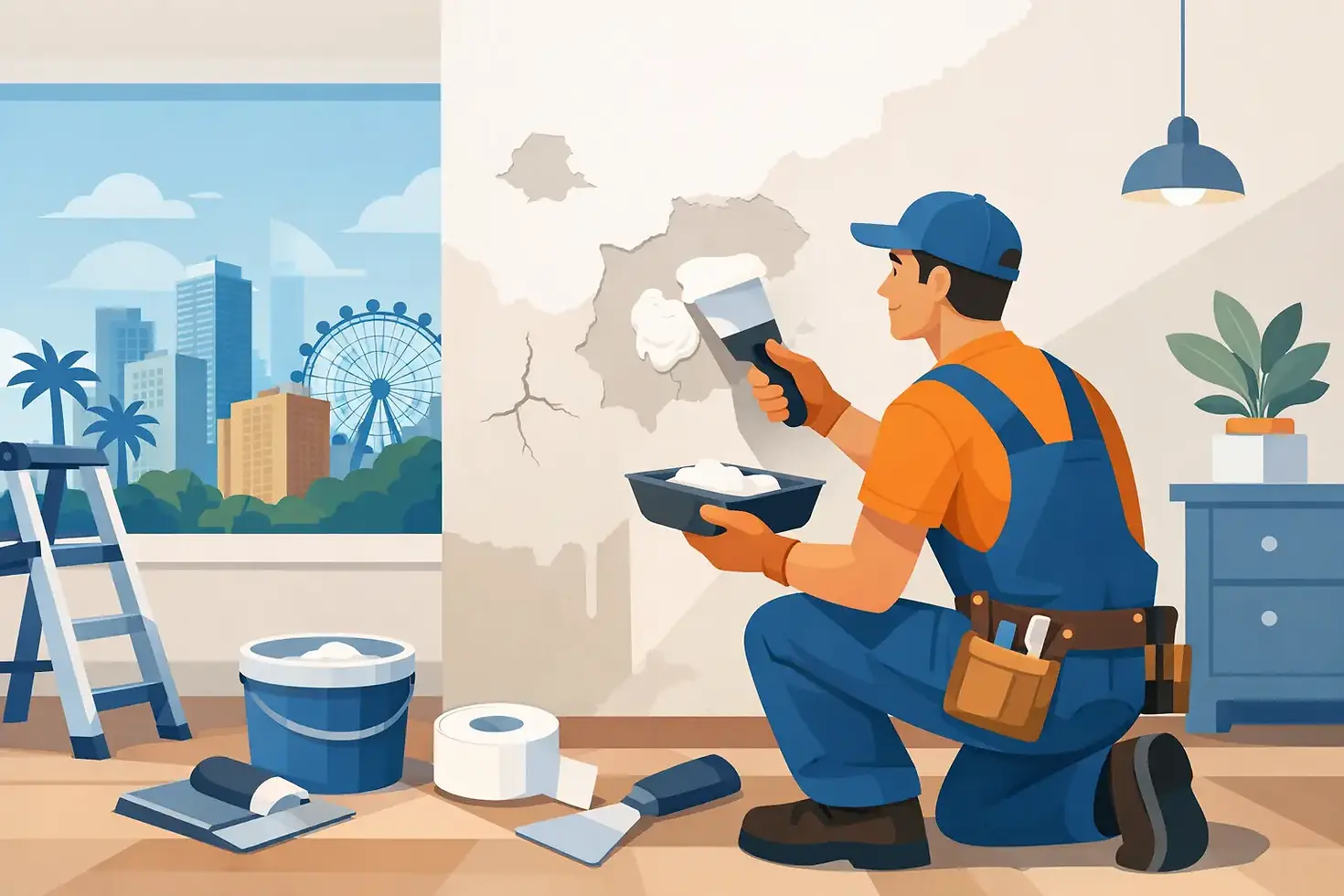
Orlando Drywall Repair Handyman for Wall Fixes

A small hole behind a door, a crack over a window, or a soft spot after a plumbing leak can make an otherwise well-kept room feel unfinished. An Orlando drywall repair handyman helps homeowners and property managers handle these common wall problems without turning a straightforward repair into a long DIY project.
Drywall repair is not only about covering damage. The work needs to blend with the surrounding wall, hold up over time, and leave the room ready for paint or its next use. For busy homeowners, landlords, and rental property managers, getting that result from one dependable local professional saves time and keeps a minor issue from becoming a bigger one.
When Drywall Damage Needs Professional Repair
Some drywall damage looks simple until you start working on it. A nail hole may need only a light patch, but larger holes, loose drywall, recurring cracks, and water-damaged sections require more attention. The goal is to repair the source of the problem when possible, stabilize the damaged area, and create a smooth finish that does not stand out across the room.
Door handles are a frequent cause of punctures. Furniture moves, accidental impacts, wall-mounted items, and active households can also leave dents and holes. In rental homes, damage may show up between tenants or during a routine property walkthrough, when fast, professional repairs help keep turnover work moving.
Cracks deserve a closer look. A fine hairline crack can result from normal settling, changes in humidity, or minor movement around doors and windows. A crack that keeps returning, widens noticeably, or appears with sticking doors and uneven floors may point to a larger issue. Drywall can be repaired, but a reliable handyman should not pretend that every crack is only cosmetic.
Water Damage Calls for a Careful Decision
Brown staining, bubbling paint, sagging drywall, or a soft wall section often means moisture has reached the material. Before new drywall goes in, the leak or moisture source needs to be resolved. Repairing the wall first may make it look better for a short time, but the damage can return if water is still getting behind it.
Small, fully dry areas may be repairable. Larger damaged sections, active leaks, or suspected mold conditions can require additional assessment before wall repair begins. This is one of those situations where the right answer depends on the extent of the damage, not just what is visible from the room.
What a Quality Drywall Repair Should Include
A good repair begins with an honest look at the wall. Is the damage limited to the surface? Is the drywall broken through? Is the area firm around the hole, or has moisture weakened it? Those details determine whether the job needs a simple fill, a reinforced patch, or removal and replacement of a damaged section.
For a larger opening, a lasting repair usually means creating support behind the wall, fitting a new drywall piece, securing it correctly, and finishing the seams in stages. Joint compound needs time to dry between coats. Rushing that process can leave ridges, shrinkage, or visible edges after painting.
Texture is another detail that affects the final appearance. Orlando homes may have smooth walls, orange peel texture, knockdown texture, or a finish that has changed after past repairs. Matching texture takes patience. It may not be possible to make an old, sun-faded, heavily painted wall look factory-new without repainting a larger area, but careful preparation can make the repair far less noticeable.
A professional drywall repair should leave a stable, smooth area that is ready for primer and paint. If painting is part of the planned work, color matching may depend on whether the owner has leftover paint, knows the exact color, or wants the full wall refreshed for a more even result.
Why DIY Patches Often Show Through
Many property owners are perfectly capable of handling small home tasks. But drywall finishing is one job where a patch can look easy from across the room and still show every edge in afternoon light. Thick compound, uneven sanding, poorly supported patches, and mismatched texture are common reasons a repair becomes more visible after the paint dries.
The trade-off is simple. A small nail hole may be worth handling yourself if you have the materials and patience. A fist-sized hole, damaged corner, ceiling issue, or wall with texture is usually better assigned to someone with the right tools and experience. Paying for skilled help can be more practical than buying supplies, spending a weekend on the repair, and still needing to redo it.
For landlords and property managers, consistency matters too. A rushed patch can become a tenant complaint or a return visit. Professional workmanship helps present the property well and keeps maintenance records simpler.
Preparing for a Drywall Repair Visit
A little preparation helps the work move faster. If possible, move furniture and valuables away from the damaged wall, especially beneath a ceiling repair. Make note of anything that may have caused the damage, such as a past leak, a door impact, or a removed fixture. That information helps determine the right repair approach.
If the area has been wet, make sure the moisture source has been addressed before scheduling cosmetic work. For a wall with paint colors that need to match, keep any leftover paint available. If no paint remains, a handyman can still complete the drywall repair and prepare the surface, while you decide whether to paint the repaired area or the full wall.
It also helps to point out related items nearby. A loose doorstop, damaged baseboard, missing wall anchor, or poorly mounted accessory can contribute to repeat damage. Taking care of connected small repairs during the same visit can be more convenient than arranging separate appointments later.
Choosing an Orlando Drywall Repair Handyman
The right handyman should be clear about the work, communicate what the repair involves, and respect the fact that your home or rental property needs to stay functional during the process. Look for an insured professional with experience handling everyday wall repairs, not someone who treats every hole or crack as the same job.
Ask what is included in the repair, whether the area will be ready for paint, and whether the problem appears to involve water or another underlying issue. Clear answers matter more than vague promises. A professional should explain when a small repair is appropriate and when the damage calls for a different type of contractor or further investigation.
Local availability is valuable when you are managing a move-in, preparing a property for a showing, or simply tired of looking at unfinished damage in your home. Prowood Handyman, LLC provides tailored, insured handyman service for Orlando-area homeowners and property stakeholders who want practical repairs handled with care.
Keep Small Wall Damage From Becoming a Bigger Project
Most drywall damage does not improve by waiting. A loose patch can break further, a small moisture mark can spread, and an exposed hole can invite more damage around its edges. Addressing the issue early is usually the cleaner, more cost-effective choice.
Whether you need a wall patched after an accident, a damaged section replaced after a resolved leak, or several small repairs completed before a tenant arrives, choose dependable help that treats the details seriously. Let’s get it fixed so your walls look finished, your property stays presentable, and one more repair is off your list.


Comments